Planning beyond rainfall
Living on the world’s driest inhabited continent, we’re seeing firsthand how climate change is reshaping our environment and our water supply. In Western Australia, rising temperatures, more extreme weather events and changing rainfall patterns are making water availability less predictable.
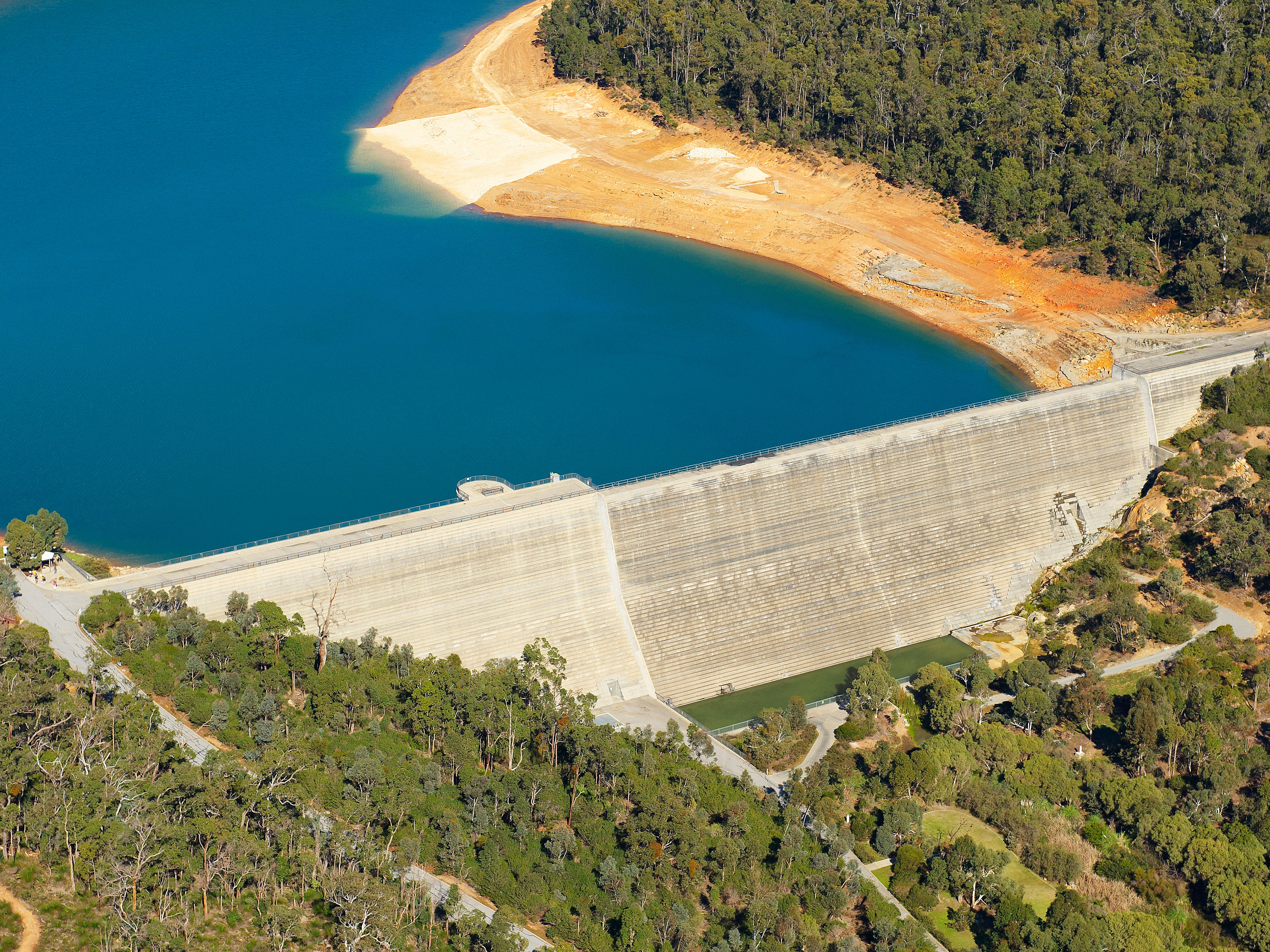
One important part of this is streamflow. Streamflow is the water that runs off the land and into our dams after rain. It does not happen straight away because the ground needs to soak up water first, like a sponge. When the ground is full, extra water flows across the surface and into our supply. This is why understanding streamflow and planning for a secure water future has never been more important.
Even with what seemed like a wet winter, streamflow into our dams was less than 15% of what we had decades ago.
“We’re seeing the real impact of climate change in our streamflow data,” says Pat Donovan, CEO of Water Corporation. “What used to be enough rainfall to fill a glass now barely makes a splash. That’s our current reality.”
A growing city, a growing challenge
Perth’s population is growing faster than any other capital city in Australia. In 2024 alone, it grew by 3.1%, increasing pressure on our water systems. At the same time, household water use has hit its highest level in nearly a decade, after years of steady decline.
This combination of lower streamflow and higher demand means we need to rethink how we plan for the future.
Innovation in action
We’re not relying on just one solution. While desalination remains a key part of our water supply, we’re also expanding water recycling, reducing groundwater use and investing in smart infrastructure to detect leaks and manage water more efficiently.
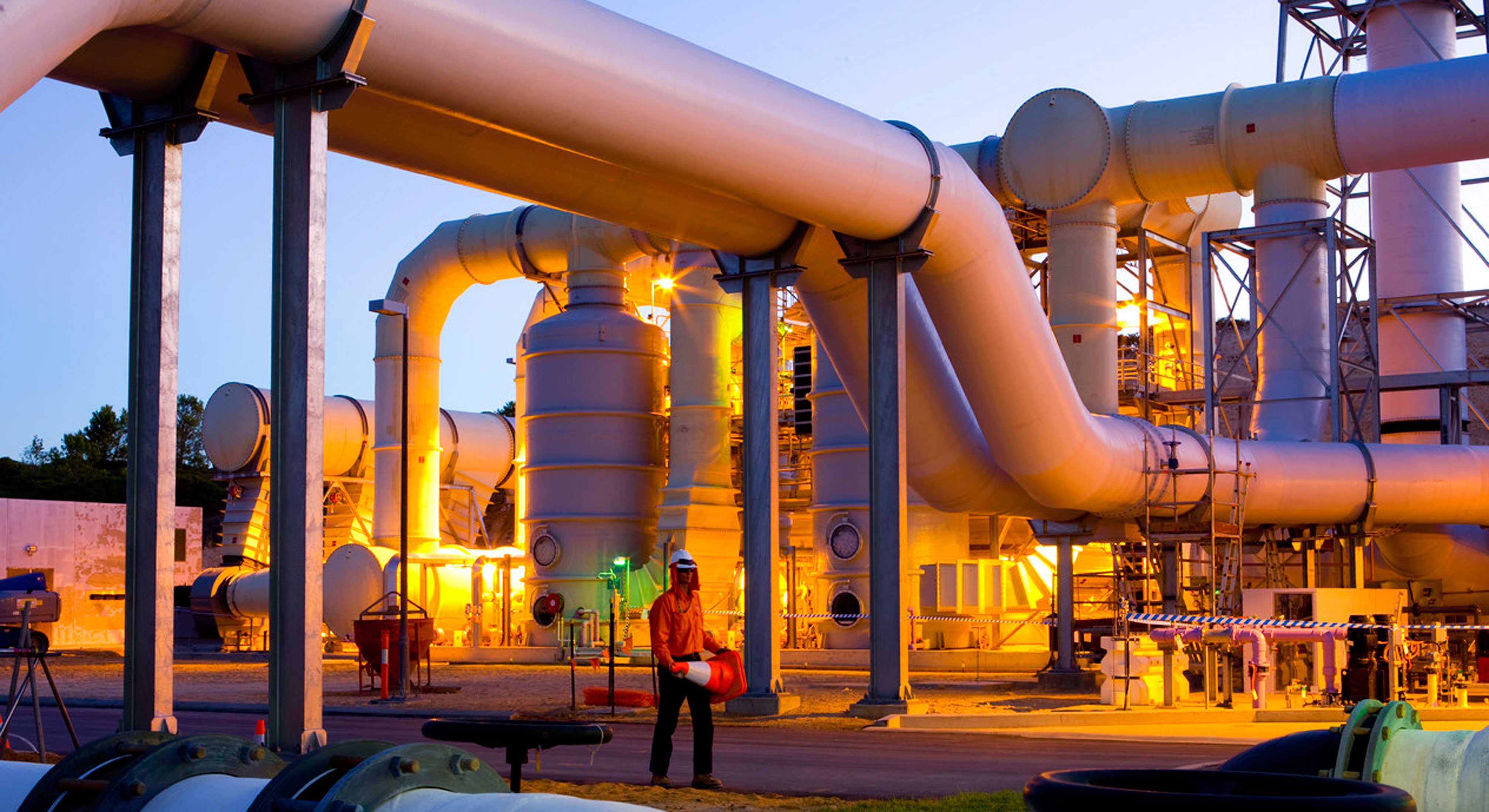
Projects underway include:
- Doubling the capacity of the Kwinana recycling plant to meet industrial demand.
- Building a new desalination plant at Alkimos, which will operate with net-zero emissions.
- Reducing groundwater use from the Gnangara Mound by 30 billion litres from 2028.
These efforts are designed to support both residential growth and emerging industries like green hydrogen and data centres.
Planning for growth
We are also working with government and industry to unlock over 30,000 residential lots through expanded water and wastewater infrastructure. This is part of a broader plan to support Perth’s growth while protecting our environment.
“We’re planning for the future, not just keeping up with it,” Pat says. “Our teams are working hard to make sure water is available where it’s needed most, and in ways that are sustainable.”
Everyone has a role
Technology alone isn’t enough. We are encouraging all Western Australians to be waterwise at home at work and in the community.
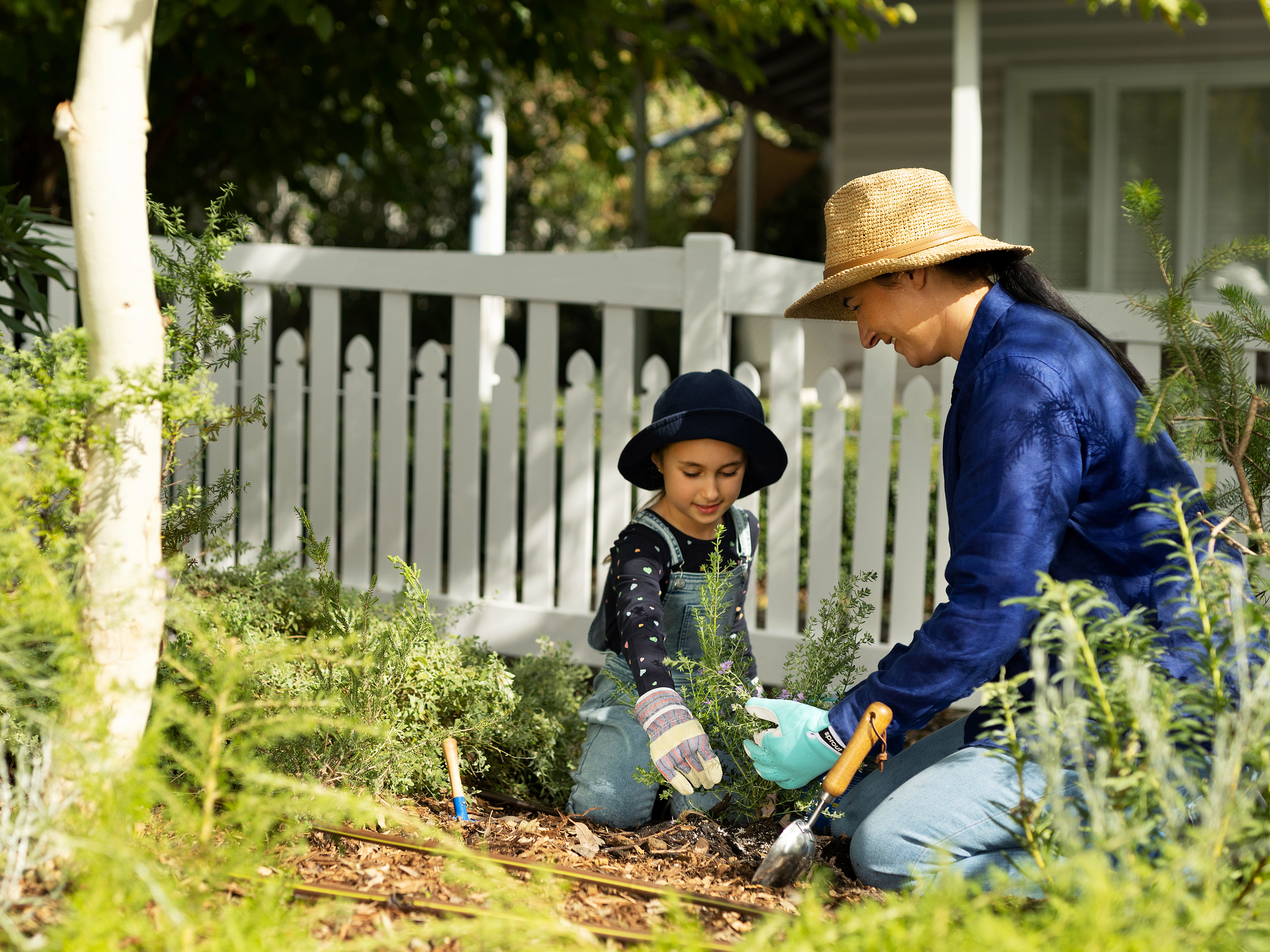
“Being waterwise starts at home,” Pat said. “And from there, it ripples out to schools, businesses and communities. We all have a role to play.”
Our recent campaign has highlighted the need to “break up” with bad water habits, like long showers and ignoring rostered watering days. Research shows that one in five people are unaware of watering rosters and 64% don’t know showers should be four minutes or less.
Looking Ahead
As we look toward 2050, we are inviting everyone to be part of the solution. Because securing our water future isn’t just about infrastructure, it’s about people, partnerships and purpose.
Together, we can build a waterwise culture and alternative solutions that will sustain Perth and surrounds for generations to come.
Learn to be waterwise