Waterwise garden hub
Discover waterwise tools and expert advice tailored to WA gardens for the warmer months ahead.
EXPLORE GARDEN HUB
A waterwise garden doesn't have to mean sacrificing colour or variety. With a little planning and the use of hydrozoning, you can create a thriving garden that uses water more efficiently and is better suited to Perth's climate.
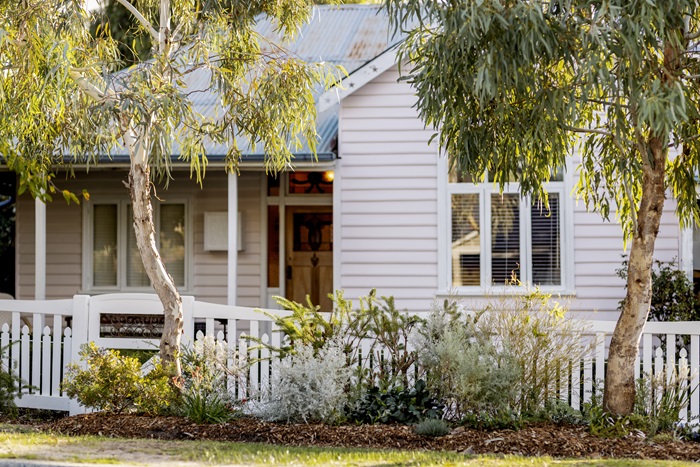
Hydrozoning involves grouping plants with similar watering needs together. Some plants need a lot of water, while others thrive with very little. For example, lawns typically require more water than garden beds with local native plants, so they should sit in separate hydrozones. This makes it easier to water each area of your garden more efficiently.
Most plants fall into one of these groups:
Plants with low water needs are often best suited to Perth’s hot, dry summers. You can still grow plants that need more water, but it’s important to include this in your garden design plan.
Taking the time to establish hydrozones in your garden can help create a resilient garden that thrives for years to come, while reducing water use and maintenance requirements, giving you more time to enjoy your beautiful waterwise garden.
 Illustration supplied by Josh Byrne & Associates.
Once you've established your hydrozones, you can tailor watering to each area of the garden. This gives plants the moisture they need without wasting water on plants that can thrive with less.
A useful tip is to match your irrigation system to the plants in each zone. For example, drip irrigation works well in garden beds because it delivers water directly to the roots, while sprinklers are better suited to lawns. Native trees and shrubs may only need watering once a week or less during warm, dry weather, while vegetable gardens generally require more frequent watering.
Watering each hydrozone according to its needs can reduce water waste, save thousands of litres of water each year and help lower your water bill.
Plants need the right amount of water to thrive, but you can also have too much of a good thing! Overwatering can leach vital nutrients from the soil and encourage fungal disease. Over time, this can lead to root rot, weak growth and increased susceptibility to pests and diseases. By giving each hydrozone the right amount of water, plants are more likely to develop strong roots and stay healthy throughout the year.
When plants get the right amount of water, they are better able to cope with hot weather. This means you won't need to give them extra water to help them survive.
Healthy plants are also less likely to suffer from rot or fungal diseases, meaning you can spend less time treating plant problems and less money replacing plants that don't survive. Plants that receive the right amount of water are also less likely to need extra fertiliser.
When you’re at the nursery shopping for new plants, check the plant tag. Look for plants with ‘low water use’ or ‘drought tolerant’ on the tag. Once established, these plants will generally only need a drink once a week during hot weather. Some plants can even go a couple of weeks between watering.
A plant that has higher watering needs will likely struggle in our hot summer unless they’re planted in a full or partially shaded area of your garden. These plants will generally have ‘high water’ or ‘moist soil’ needs on the tag.
The Waterwise plants directory uses water drop symbols to show how much water a plant needs.
These plants can tolerate dry soil for long periods and only need water when the soil is completely dry. Local native plants, succulents, rosemary are suited to our hot dry summers with watering one day a week or less once they are established.
These plants prefer consistently moist but not wet soil and generally need to be watered twice a week. An area of lawn is a common example.
These plants are typically exotic species that love to be moist and will thrive best in full or part shade, under the patio or near a pond. It is recommended to minimise selecting plants with high water needs and keep them together in the same hydrozone to improve watering efficiency in your garden. Vegetable gardens are typically considered high water use areas, particularly as seedlings establish, and may require frequent watering (remembering to stick to your rostered watering days or hand water). Self-watering pots and wicking beds are great for vegie or kitchen gardens as they have a built-in reservoir to hold water so it’s available for a longer duration to keep plants hydrated, reducing watering frequency for plants with high water needs.
If you're unsure how much water a plant needs, ask a nursery team member at your local Waterwise Garden Centre or nursery for advice.
Choosing plants with low water needs is one of the easiest ways to create a beautiful, resilient garden that uses less water and thrives in Perth's climate. Use our Waterwise plants directory to explore plants suited to local conditions.
Discover waterwise tools and expert advice tailored to WA gardens for the warmer months ahead.
EXPLORE GARDEN HUB