Climate & Perth
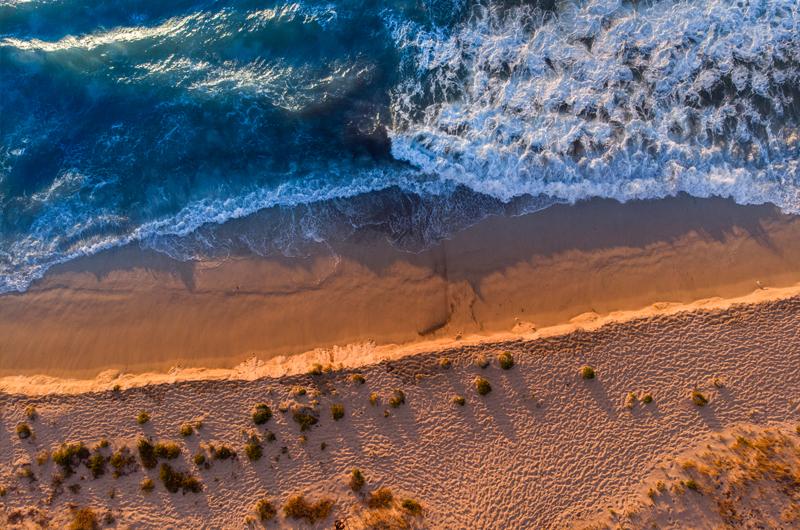
The impacts of climate change in Perth are evident with a significant reduction in average rainfall over the past 40 years.
Learn moreAs our climate changes, so too does the way we source and supply water to customers across Western Australia. At the same time, our state continues to grow. New communities, industries and infrastructure all rely on water to thrive, increasing the demand for a resource that is essential to everyday life.
But while demand is rising, traditional sources such as rainfall and streamflow are becoming less reliable. This is creating new challenges for how we secure water for future generations.
Over the past few decades, we've started to transform our water supply from one that relied heavily on rainfall to a diverse mix of climate-resilient sources, including desalination and groundwater replenishment. These investments are helping ensure water remains reliable, sustainable and available for future generations.
But adapting to climate change is about more than developing new water sources. We're also investing in new and existing infrastructure, innovation, environmental sustainability and water recycling, while helping households and businesses use water more efficiently.
While the challenge is significant, so is our ability to respond. Through long-term planning, ongoing investment and working alongside communities across the state, we're building resilience and helping secure WA's water future.
Explore this section to learn about the challenges and opportunities shaping WA’s water future, from changing rainfall patterns and population growth to increasing demand, and discover how we’re adapting to help secure water for future generations to come.
The impacts of climate change in Perth are evident with a significant reduction in average rainfall over the past 40 years.
Learn more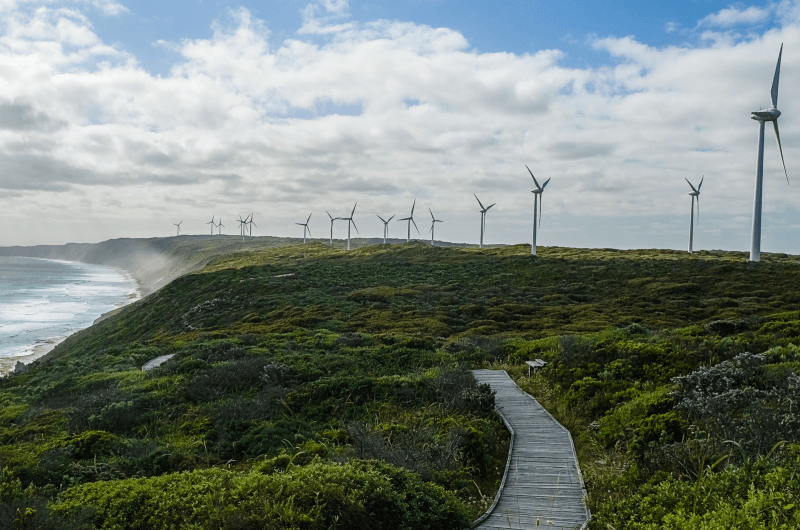
Reduced rainfall driven by climate change and growing demand are placing pressure on existing groundwater sources in the Great Southern region.
Learn more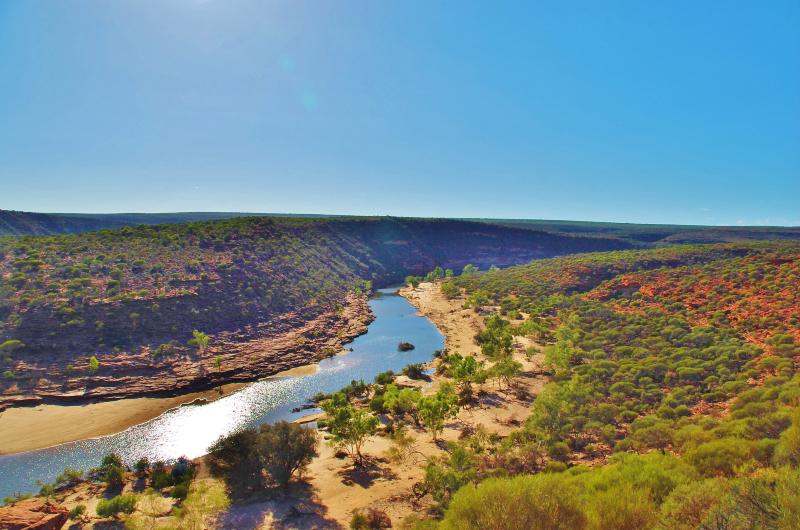
Changes to summer rainfall in the Mid West are a little uncertain but a decrease in winter rainfall is highly likely, threatening the ongoing sustainability of our groundwater sources.
Learn more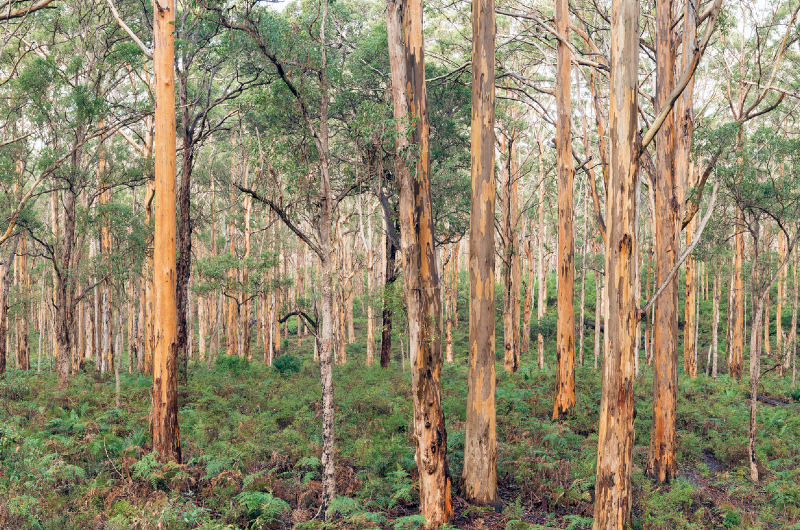
An average 20% decline in rainfall throughout the South West has seen streamflow reduce by over 80%.
Learn more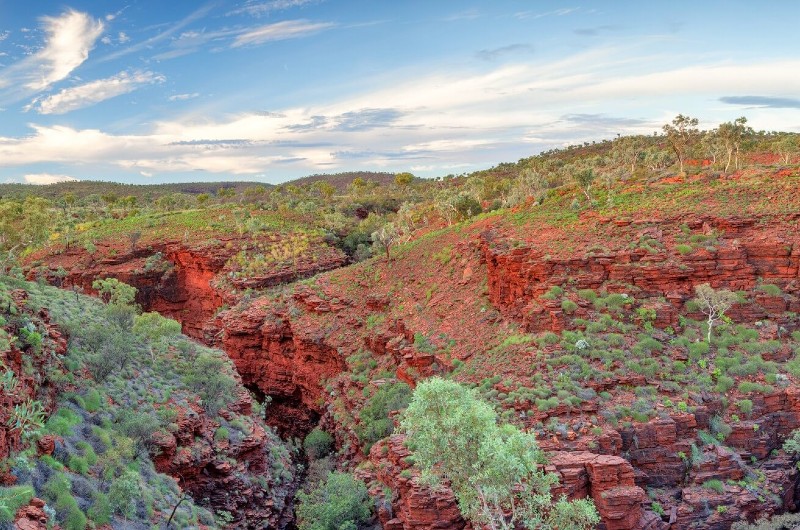
Climate predictions show the intervals between rainfall events will become more variable across the northern regions of WA over the next century.
Learn more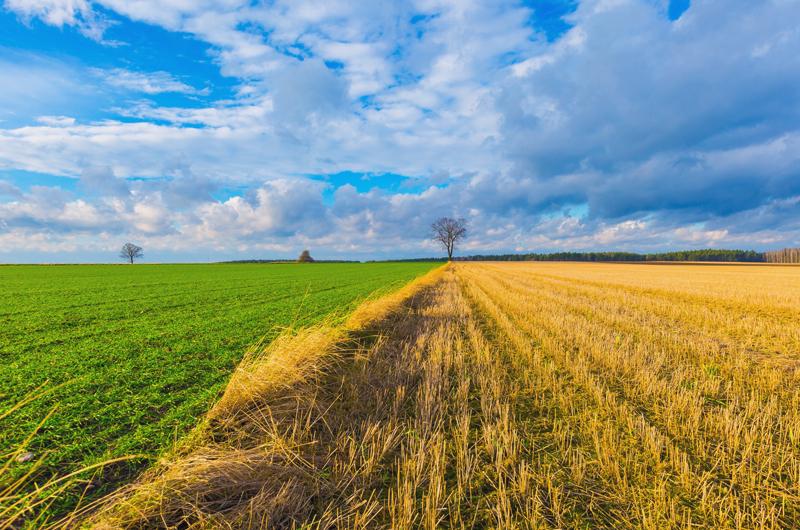
Climate change is affecting this region in various ways, with an increase in temperature, changes in seasonal rainfall and longer periods of drought.
Learn more
El Niño could bring warmer and drier conditions to parts of WA this summer and spring. Learn what actually is El Nino and what it means for your home and discover waterwise ways to prepare.
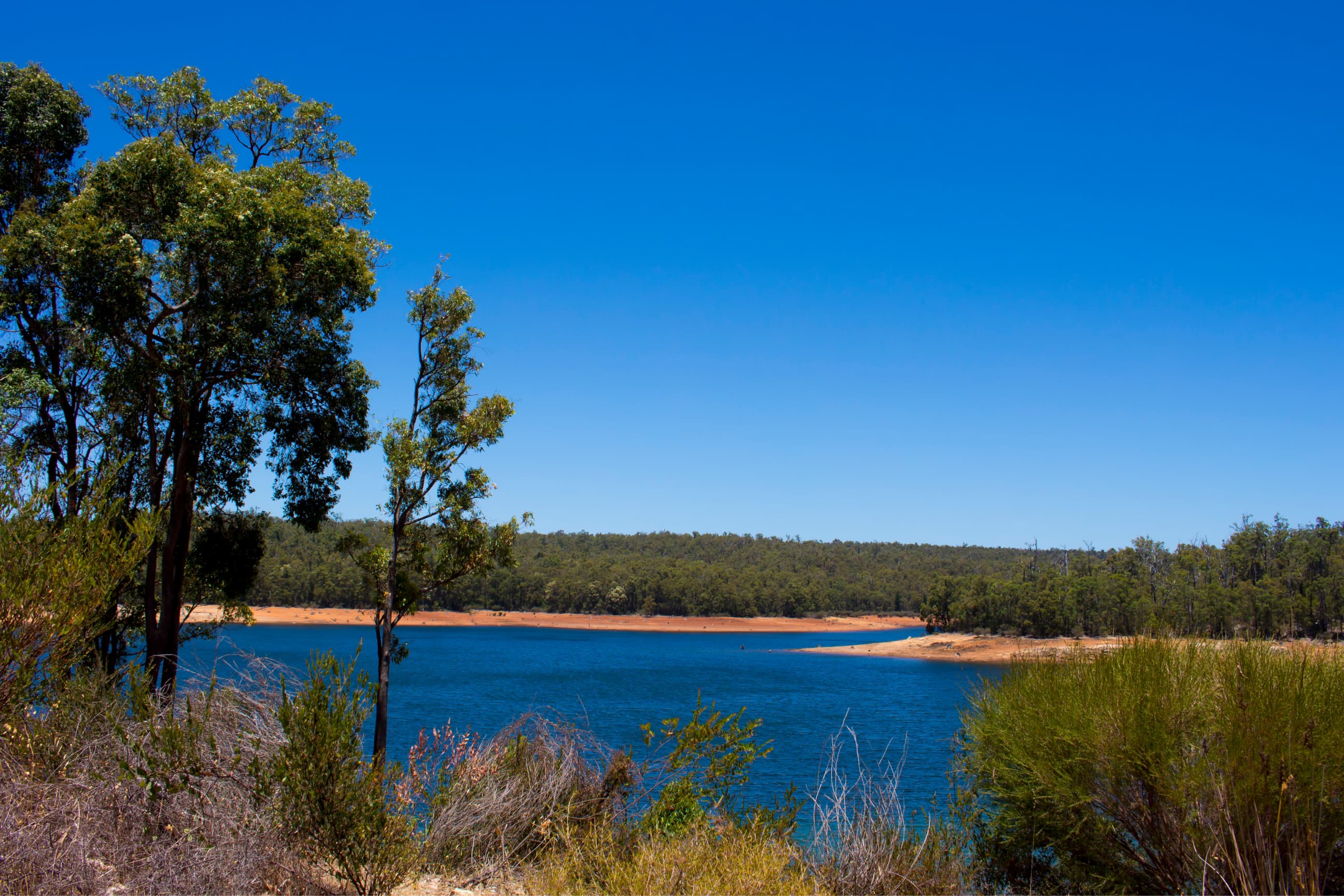
Streamflow is declining, but we’re responding with innovation and long-term planning. We’re using alternative water sources and community action to secure Perth’s water future.
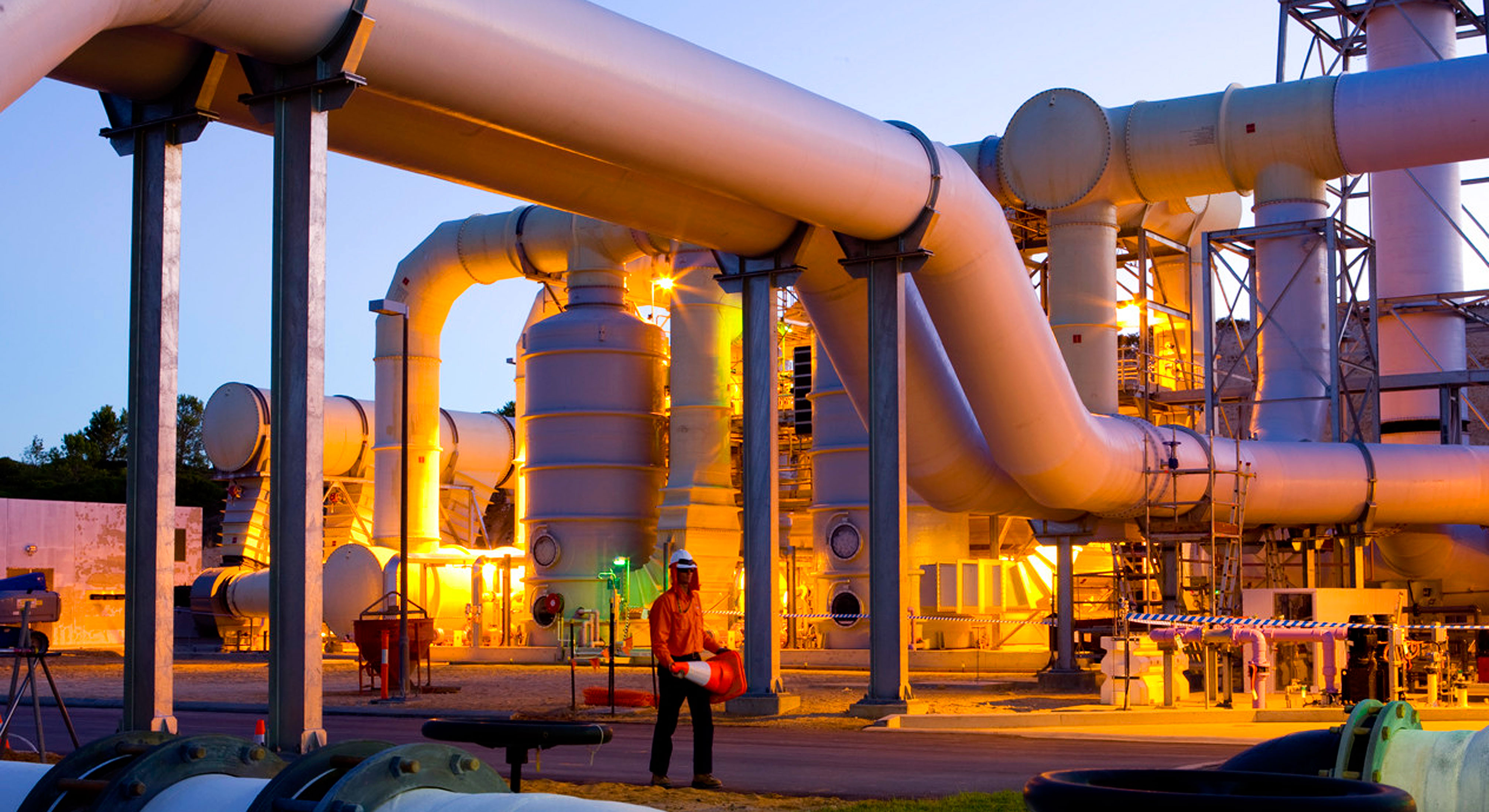
With recent rainfall across Perth and southern WA, it’s easy to assume our dams are full to brim. But the connection between rainfall and dam levels isn’t so simple.
.jpg?rev=96dc640314b741779eff2a7365a1d606&la=en&h=466&w=700&hash=448955060A37BBC2E11FA22E55F4E774)